There’s something that has been bothering me more and more every time I look at advertising.
I open Instagram. I see a brand.
I walk into a coffee shop. I see another.
I drive past a storefront. Another one.
And I start noticing something strange. They all look the same.
- The same neutral colors
- The same minimalism
- The same fonts
- The same perfectly polished photography
- The same banners
- The same simplified logos
- The same layouts
Everything is clean. Everything is beautiful. Everything is “on trend.”
And somehow, everything is becoming forgettable.
So I started asking myself:
When did we start confusing “beautiful” with “creative”?
AI isn’t the problem
Let me make something clear first: I’m not against AI.
Actually, I think AI is one of the most powerful tools we’ve ever had. It can completely change the way we work, create, research, and communicate.
But a tool is still a tool.
The problem starts when we stop using AI to enhance our ideas and start using it to replace them.
And this isn’t some distant possibility anymore.
AI adoption in marketing is growing incredibly fast. The American Marketing Association found that nearly 90% of surveyed marketers had already used generative AI in their work, with 71% saying they use it weekly or more often.
Gartner has also found that among organizations already using generative AI, creative development is one of its major applications.
So the question is no longer whether we are going to use AI. Of course we are.
The real question is:
What are we going to do with our creativity when everyone has access to the same tool?
When everyone has the same tool, everything starts looking the same
AI is incredibly good at recognizing patterns.
It can analyze massive amounts of information, identify relationships, understand styles, and generate something based on what it has learned.
That’s incredibly useful.
But there’s a strange paradox happening. We now have some of the most advanced creative tools in history. And yet, we may be using them to create more of the same.
- The same aesthetics
- The same visual trends
- The same “clean” branding
- The same social media content
- The same advertising language
- The same everything
Not necessarily because AI is bad at creativity. But because we keep asking it to give us what already exists.
We give it references. We give it trends. We give it examples. We give it instructions to make something “modern,” “minimal,” “professional,” or “aesthetic.”
And then we’re surprised when the result looks like everything else.
Maybe the problem isn’t the technology. Maybe the problem is that we stopped pushing ourselves.
What happened to logos?
Let’s talk about logos.
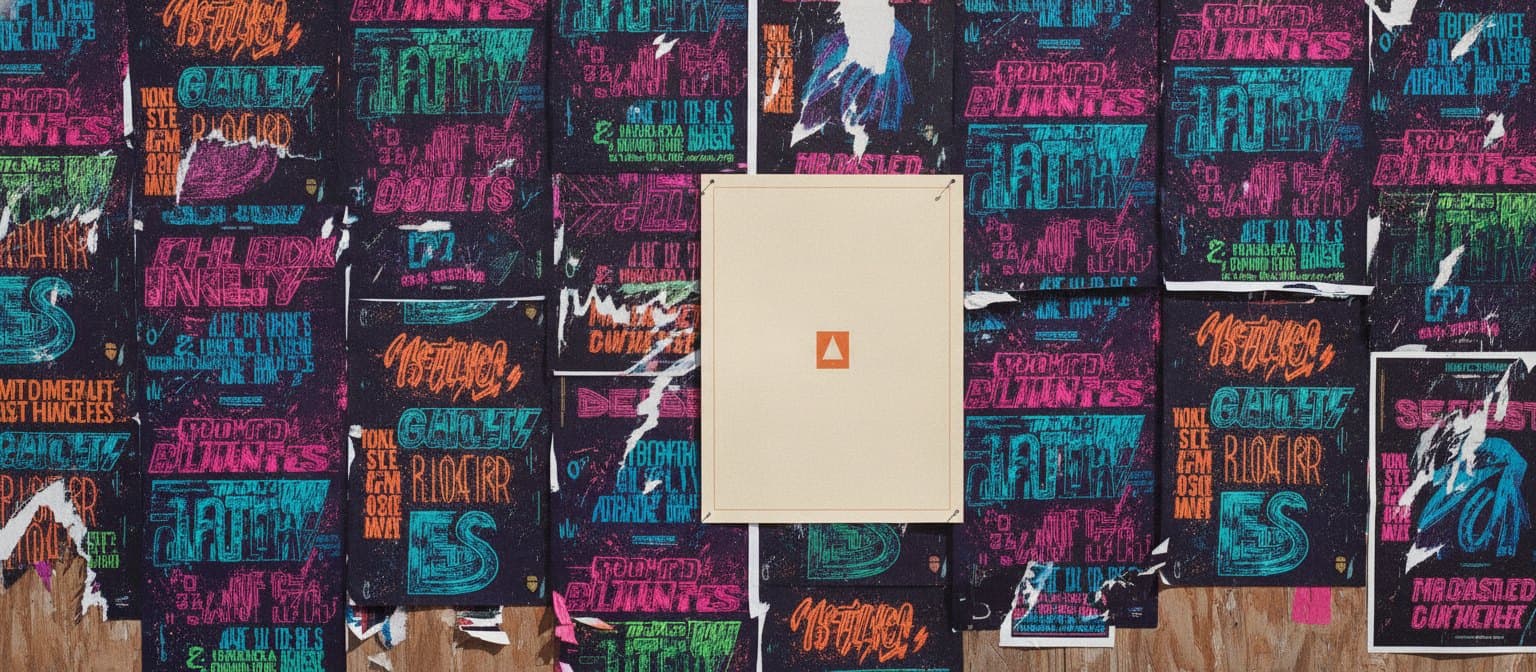
For years, brands had distinctive symbols, unexpected typography, strange color combinations, little imperfections, and visual decisions that maybe didn’t make perfect sense at first.
But they had personality.
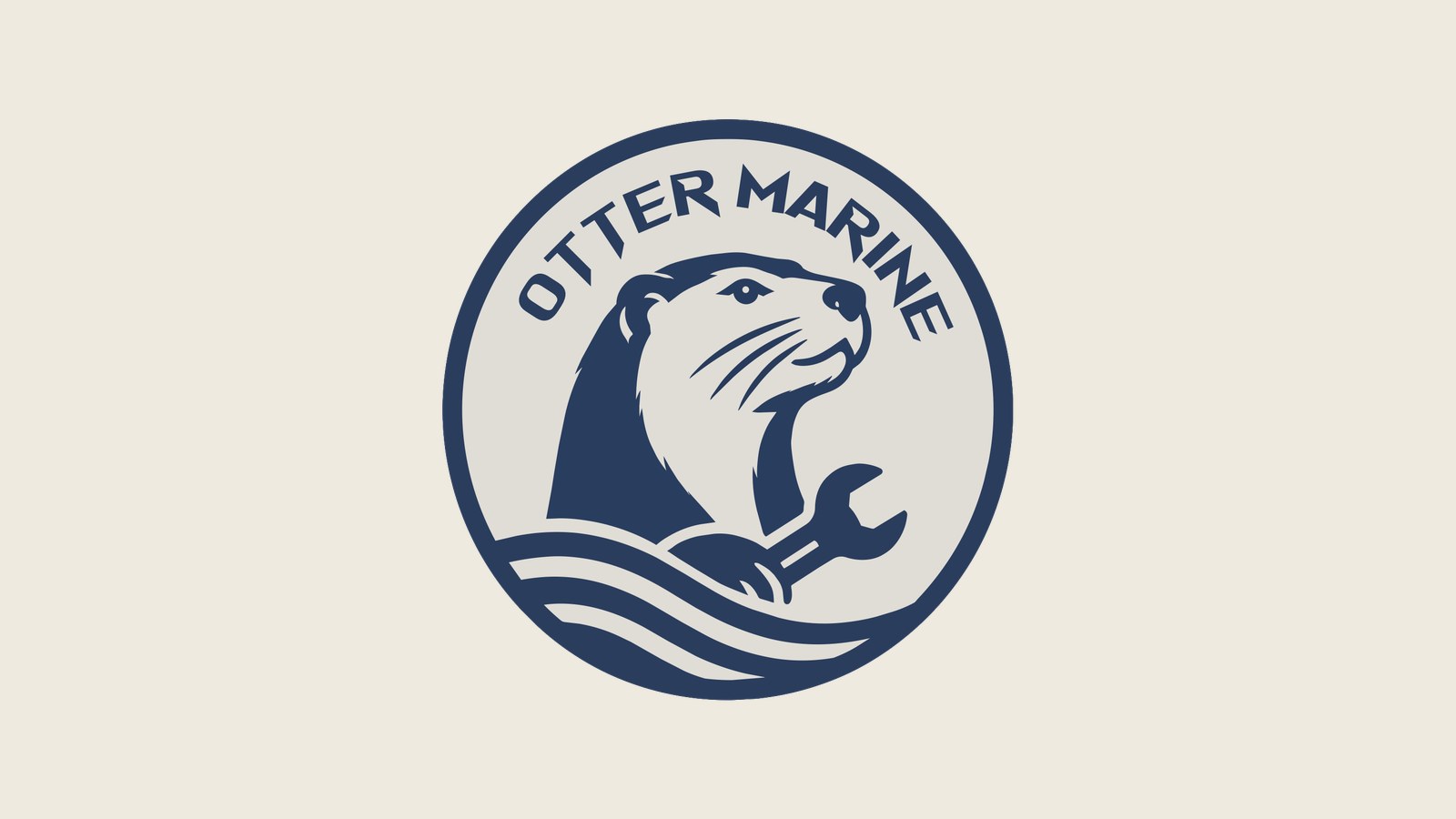
Now, so many brands seem to go through the same process:
- “Make it cleaner.”
- “Make it simpler.”
- “Make it more modern.”
- “Remove that detail.”
- “Use a more minimal font.”
And little by little, the personality disappears.
The same thing is happening with banners, flyers, ads, websites, social media posts, and even storefronts.
I’m not saying minimalism is bad. Minimalism can be beautiful. Minimalism can be incredibly smart.
But when minimalism becomes a formula instead of a creative decision, it stops making us different.
If every brand uses the same formula to look modern, then modern stops being a differentiator.
And people are starting to notice
This is the part I find especially interesting.
Consumers aren’t stupid. They can feel when something is generic. They can feel when something was made just because “that’s what everyone is doing.”
According to Ipsos, two-thirds of Americans prefer marketing and artistic content created by humans rather than AI.
And Gartner reported in 2026 that 50% of U.S. consumers would prefer to buy from brands that don’t use generative AI in consumer-facing content. Even more interestingly, 68% said they frequently wonder whether the content they see is actually authentic.
That says a lot. While brands are rushing toward automation, consumers may actually be looking for something that feels more human.
- Something real
- Something imperfect
- Something with a story behind it
Maybe originality will become a luxury
And this is where I think advertising is going to get really interesting.
For a long time, having access to professional creative tools was a competitive advantage. Now, those tools are becoming available to almost everyone.
- You can generate an image
- You can generate a video
- You can write an ad
- You can create a concept
- You can make ten variations of the same campaign in minutes
So what is actually going to separate one designer from another?
Maybe it won’t be their ability to use the tool. Maybe it will be their ability to think.
- To observe
- To question
- To connect ideas that seemingly have nothing to do with each other
- To find inspiration outside of Pinterest
- To go outside
- To look at architecture
- To read
- To make mistakes
- To experiment
- To create something that doesn’t exist yet
That’s creativity.
I still want to pick my own outfit
This might sound random, but it actually matters to me.
I don’t want AI making every decision for me.
- What color I should wear
- What outfit I should choose
- What design I should make
- What photograph I should take
- What idea I should develop
Because even the small decisions are part of our creativity.
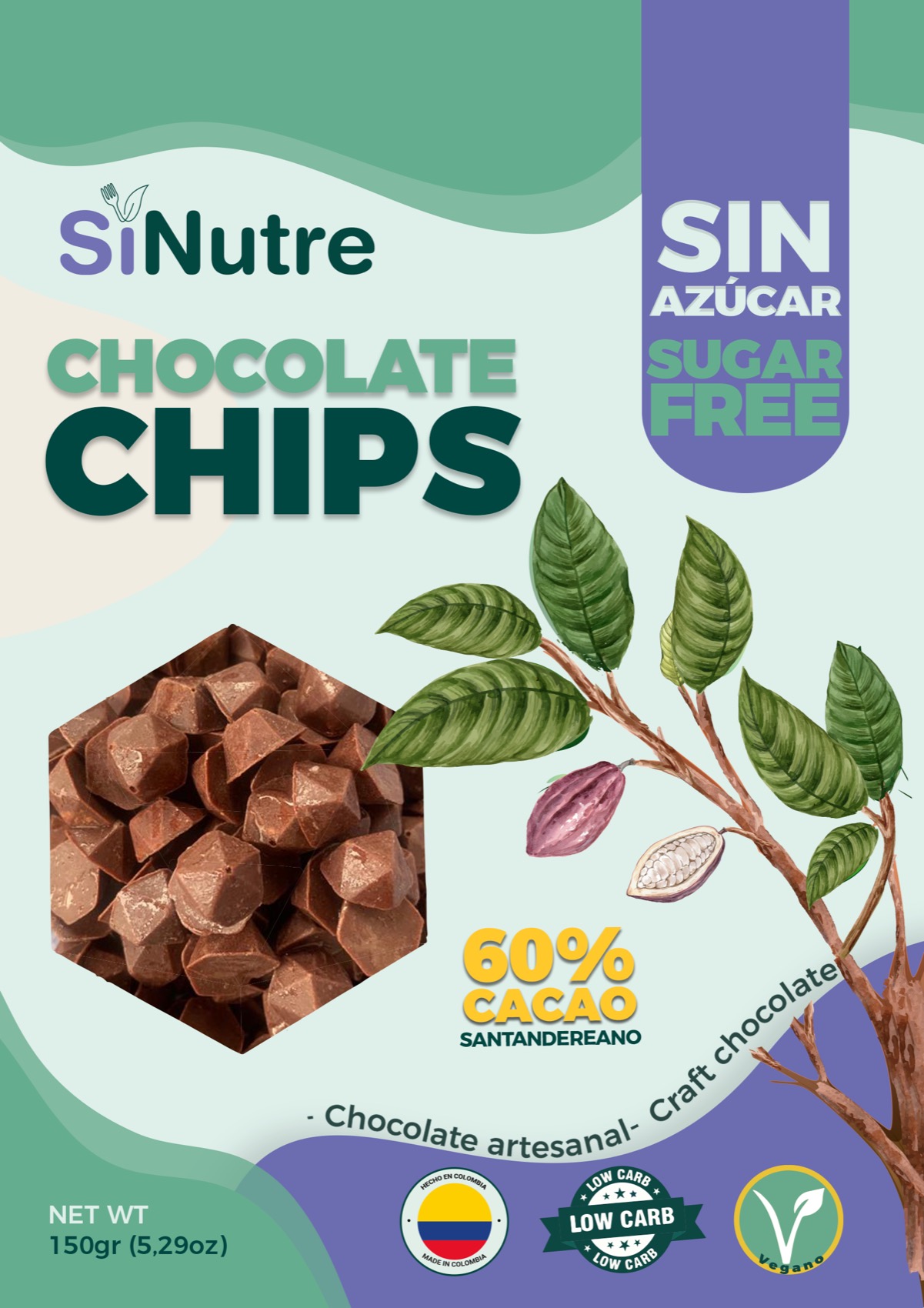
Choosing an outfit is an aesthetic decision. Choosing a color is a decision. Deciding what to photograph and from what angle is a creative decision. Designing a logo is a decision. Creating a campaign is a decision.
And I want to keep making those decisions myself. I want to keep training my brain to create.
Because honestly, I’m more afraid of something deeper than AI taking creative jobs.
I’m afraid we’ll lose our creative muscle. That we’ll become so used to asking a machine for answers that we stop asking ourselves questions.
I don’t want to go backward. I want to take humanity forward
So my message isn’t “stop using AI.” Absolutely not.
- Use it
- Experiment with it
- Learn it
- Take advantage of it
- Automate repetitive tasks
Use it to research, explore possibilities, brainstorm, analyze information, or speed up your workflow.
But don’t give it your creativity.
AI can be an amazing assistant. But it shouldn’t become the creative director of your life.
There is a huge difference between creating with AI and letting AI create for you.
And I think that difference is going to matter more and more.
Do we want our brand to look like AI?
This is the question I want to leave designers, marketers, photographers, creatives, and business owners with:
- Do we want our company to look like everyone else?
- Do we want a logo that could belong to any company?
- Do we want a banner that could have been designed for any restaurant?
- Do we want a campaign that looks exactly like the ten other campaigns we saw this morning?
Or do we want to create something we actually love?
- Something with personality
- Something that might be a little weird
- Something that doesn’t perfectly follow the trend
Something people see and think: “Wait. That’s different.”
Because maybe in ten years, we won’t have a shortage of tools to create. Maybe we’ll have a shortage of people willing to create without following a formula.
AI is the tool, not the destination
I think we’re entering a fascinating time. For the first time, we have tools capable of multiplying our ability to produce.
But producing more doesn’t necessarily mean creating better. And that’s the challenge.
I don’t want faster advertising. I want more interesting advertising.
I don’t want more content. I want better ideas.
I don’t want every brand to have access to the same aesthetic. I want people to have the courage to develop their own.
So yes: use AI. But also use your hands.
- Use your eyes
- Use your memory
- Use your taste
- Use your curiosity
- Use your mistakes
- Use your imagination
- Make things that aren’t perfectly optimized
- Experiment
- Draw again
- Take the photograph
- Design something weird
Grab a piece of cardboard and start from scratch if you have to.
Because technology can help us create faster. But we are still the ones who decide what is worth creating. And maybe that is our biggest advantage.
In a world where almost anything can be generated, being original might become the most valuable thing of all.
So no, AI isn’t killing creativity. We are, every time we stop thinking for ourselves.